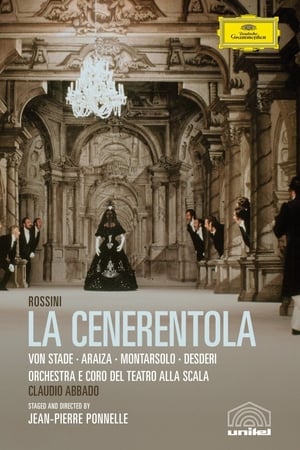
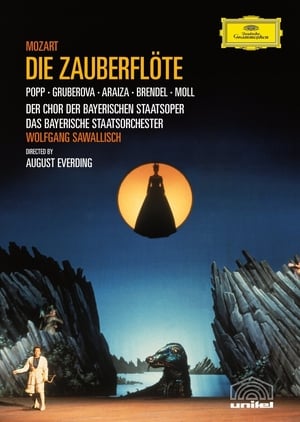
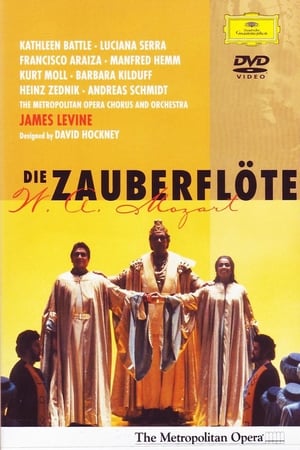
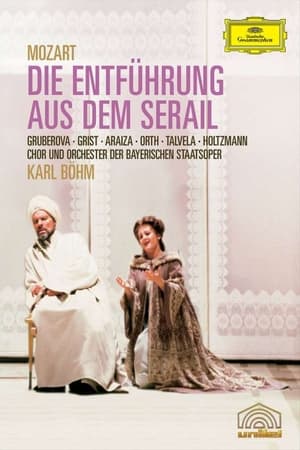
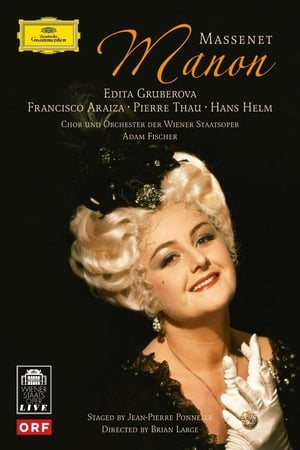
José Francisco Araiza Andrade (born 4 October 1950) is a Mexican operatic tenor and lied singer who has sung as soloist in leading concert halls and in leading tenor operatic roles in the major opera houses of Europe and North America during the course of a lengthy career. Born in Mexico City, he studied singing at the Conservatorio Nacional de Música de México and later in Germany, with Mozartian tenor Richard Holm, and lieder interpretation with Erik Werba. He made his operatic debut in 1970 in Mexico City as First Prisoner in Beethoven's Fidelio. Araiza initially came to international prominence singing in Mozart and Rossini operas, but in the 1980s broadened his repertoire to include Italian and French lyric tenor roles and Wagnerian roles such as Lohengrin and Walther von Stolzing. He was made a Kammersänger of the Vienna State Opera in 1988. Now retired from the opera stage, he teaches singing and serves on the juries of several international singing competitions.
Francisco Araiza was born in Mexico City on 4 October 1950, the second of José Araiza and Guadalupe Andrade's seven children. His father, also a tenor, was a church organist and a chorus master for Mexico's national opera company, Compania Nacional de Opera de Bellas Artes. Araiza's father taught him to read music and play the piano when he was a child, but he did not begin to study music formally until he was 15 when he enrolled in organ and singing classes at the Escuela Nacional de Música. He continued his singing classes while studying business administration at the National Autonomous University of Mexico where he played quarterback on the football team and sang in the university choir. He was 18 when he made his professional debut in 1969 with a recital featuring Schumann's Dichterliebe. The soprano Irma González, a prominent voice teacher at the National Conservatory of Music of Mexico in Mexico City, was in the audience. At her suggestion Araiza enrolled full-time in the conservatory. She was to become his primary voice teacher for the next four years, although he also studied the German operatic and lieder repertory with Erika Kubacsek, a Viennese singing teacher living in Mexico City at the time.
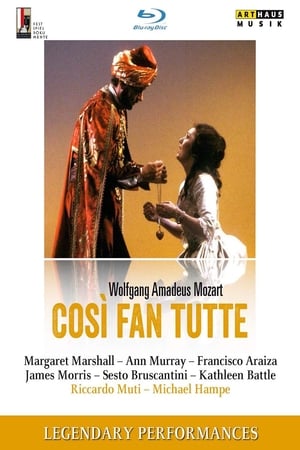
Araiza's operatic stage debut came in 1970 when he sang The First Prisoner in a concert performance of Beethoven's Fidelio by the Compania Nacional de Opera de Bellas Artes. A few months later he graduated to the role of Jacquino in the same opera and went on to sing Des Grieux in Massenet's Manon and Rodolfo in Puccini's La bohème with the company. In 1974 he went to Munich to compete in the ARD International Music Competition, where he received Third Prize. Although the pieces he sang for the competition were from the Italian lyric tenor repertoire, the judges told him that he would make an ideal Mozart tenor and offered him a contract with the Karlsruhe Opera. He decided to remain in Munich for further training with Richard Holm and Erik Werba before his debut at Karlsruhe in 1975 as Ferrando in Così fan tutte. ...
Source: Article "Francisco Araiza" from Wikipedia in English, licensed under CC-BY-SA 3.0.