info@cinemabox.com +880 1738 766 788
Detecting location... | --:--:--
Notifications My Account English
AmaderFTP
Hindi English Bangla Tamil Korean Japanese Russian Other Partner FTP All Series Requests
Recent Release
Mar 18, 2021 Movie
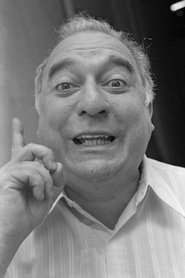
Roberto Santos

Roberto Santos

Directing
Born Apr 15, 1928 (59 years old)
Place of Birth São Paulo, São Paulo, Brazil
Died May 07, 1987
Gender Male
Popularity 0.5

Biography

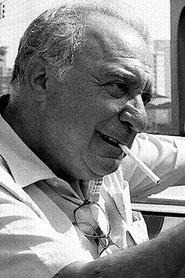
Roberto Santos Pinhanez (1928–1987) was a Brazilian film director, known for films like Matraga (A Hora e Vez de Augusto Matraga) and The Great Moment (O Grande Momento).

Santos was born in a working-class suburb of São Paulo in 1928. He started his cinema activities around 1952, in the first big studio built in Brazil, the Vera Cruz Studio. In 1956, Santos made his first movie, O Grande Momento (The Great Moment), the first neo-realistic movie made in Brazil. In 1965, Roberto Santos adapted a short novel by Guimaraes Rosa, A Hora e Vez de Augusto Matraga (Matraga), the only successful adaptation to cinema of a work by Guimaraes Rosa, the most important name in Brazilian literature in this century. The film was shown at the 1966 Cannes Film Festival.

During the late 1960s and 1970s, his career was marked by problems with censorship. Nevertheless, he directed six more movies, among them, two experimental movies; Vozes do Medo (Voices of Fear) — a movie with the structure of a magazine — and As Tres Mortes de Solano (The Three Deaths of Solano), an experiment where the same plot is told three times, first in the fantastic realm, then as a realistic plot, and finally as a circus pantomime. Meanwhile, he worked in television and directed commercials. The success of an adaptation for TV of another Guimaraes Rosa's story prompted him to write a screenplay for the short novel Campo Geral, about a kid growing in the back-country of Brazil. After months of trouble to obtain the rights, the project was abandoned, and he decided to tackle another myth of Brazilian literature, Machado de Assis.

His last movie, Quincas Borba, recreated Machado de Assis's fin-de-siecle universe in the troubled 1980s. Roberto Santos died of a heart attack at the São Paulo airport in 1987, just after returning from the Festival of Gramado, where Quincas Borba was shown and heavily criticized by a clique of critics.

Roberto Santos Pinhanez (1928–1987) was a Brazilian film director, known for films like Matraga (A Hora e Vez de Augusto Matraga) and The Great Moment (O Grande Momento).

Santos was born in a working-class suburb of São Paulo in 1928. He started his cinema activities around 1952, in the first big studio built in Brazil, the Vera Cruz Studio. In 1956, Santos made his first movie, O Grande Momento (The Great Moment), the first neo-realistic movie made in Brazil. In 1965, Roberto Santos adapted a short novel by Guimaraes Rosa, A Hora e Vez de Augusto Matraga (Matraga), the only successful adaptation to cinema of a work by Guimaraes Rosa, the most important name in Brazilian literature in this century. The film was shown at the 1966 Cannes Film Festival.

During the late 1960s and 1970s, his career was marked by problems with censorship. Nevertheless, he directed six more movies, among them, two experimental movies; Vozes do Medo (Voices of Fear) — a movie with the structure of a magazine — and As Tres Mortes de Solano (The Three Deaths of Solano), an experiment where the same plot is told three times, first in the fantastic realm, then as a realistic plot, and finally as a circus pantomime. Meanwhile, he worked in television and directed commercials. The success of an adaptation for TV of another Guimaraes Rosa's story prompted him to write a screenplay for the short novel Campo Geral, about a kid growing in the back-country of Brazil. After months of trouble to obtain the rights, the project was abandoned, and he decided to tackle another myth of Brazilian literature, Machado de Assis.

His last movie, Quincas Borba, recreated Machado de Assis's fin-de-siecle universe in the troubled 1980s. Roberto Santos died of a heart attack at the São Paulo airport in 1987, just after returning from the Festival of Gramado, where Quincas Borba was shown and heavily criticized by a clique of critics.

Credits

A João Guimarães Rosa
1968
Director
A João Guimarães Rosa
Jan 1, 1968
Director
The Hour and Turn of Augusto Matraga
1965 7.7
Associate Producer
The Hour and Turn of Augusto Matraga
Jul 16, 1965
Associate Producer
Ponto Final
1975
Screenplay
Ponto Final
Aug 1, 1975
Screenplay
Chick Fowle, Faixa Preta de Cinema
1981 5
Writer
Chick Fowle, Faixa Preta de Cinema
Jan 1, 1981
Writer
Gimba, Presidente dos Valentes
1963 9
Screenplay
Gimba, Presidente dos Valentes
Jun 22, 1963
Screenplay
The Grand Moment
The Grand Moment
1958 6.2
Producer
The Grand Moment
Dec 3, 1958
Producer
The Hour and Turn of Augusto Matraga
1965 7.7
Writer
The Hour and Turn of Augusto Matraga
Jul 16, 1965
Writer
The Grand Moment
The Grand Moment
1958 6.2
Director
The Grand Moment
Dec 3, 1958
Director
The Hour and Turn of Augusto Matraga
1965 7.7
Director
The Hour and Turn of Augusto Matraga
Jul 16, 1965
Director
The Grand Moment
The Grand Moment
1958 6.2
Writer
The Grand Moment
Dec 3, 1958
Writer
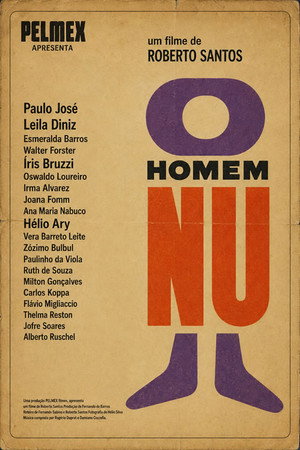
The Naked Man
The Naked Man
1968 5.9
Director
The Naked Man
Mar 4, 1968
Director
Um Anjo Mau
Um Anjo Mau
1971 8
Director
Um Anjo Mau
Apr 9, 1971
Director
Um Anjo Mau
Um Anjo Mau
1971 8
Writer
Um Anjo Mau
Apr 9, 1971
Writer
Rain Lovers
1979 10
Writer
Rain Lovers
Oct 7, 1979
Writer
Rain Lovers
1979 10
Director
Rain Lovers
Oct 7, 1979
Director
Erotic Stories
Erotic Stories
1980 6.5
Director
Erotic Stories
Mar 1, 1980
Director
Bebel, Garota Propaganda
1967 7
Writer
Bebel, Garota Propaganda
Nov 17, 1967
Writer
Bebel, Garota Propaganda
1967 7
Executive Producer
Bebel, Garota Propaganda
Nov 17, 1967
Executive Producer
Nasce uma Mulher
Nasce uma Mulher
1983 8
Screenplay
Nasce uma Mulher
Oct 20, 1983
Screenplay
Lost Love Juliana
Lost Love Juliana
1970 7
Screenplay
Lost Love Juliana
Jan 1, 1970
Screenplay
Vozes do Medo
Vozes do Medo
1972 8
Director
Vozes do Medo
Dec 22, 1972
Director
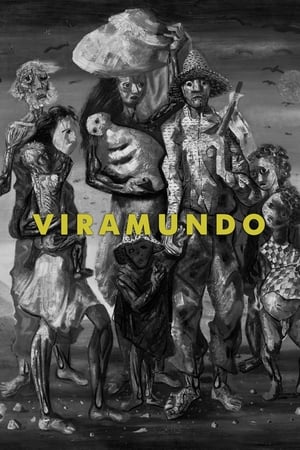
Viramundo
Viramundo
1965 8.6
Assistant Editor
Viramundo
Mar 1, 1965
Assistant Editor
As Cariocas
As Cariocas
1966 6.4
Director
As Cariocas
Oct 24, 1966
Director
As Três Mortes de Solano
1976 5.2
Dialogue
As Três Mortes de Solano
Nov 11, 1976
Dialogue
Quincas Borba
Quincas Borba
1988 5
Executive Producer
Quincas Borba
Jun 9, 1988
Executive Producer
A Construção da Liberdade
1985
Director
A Construção da Liberdade
Jan 1, 1985
Director
O Predileto
O Predileto
1975 8
Screenplay
O Predileto
Dec 19, 1975
Screenplay
Primeira Chance
1963
Writer
Primeira Chance
Jan 1, 1963
Writer
Nasce uma Mulher
Nasce uma Mulher
1983 8
Director
Nasce uma Mulher
Oct 20, 1983
Director
Quincas Borba
Quincas Borba
1988 5
Director
Quincas Borba
Jun 9, 1988
Director
Quincas Borba
Quincas Borba
1988 5
Screenplay
Quincas Borba
Jun 9, 1988
Screenplay
Primeira Chance
1963
Director
Primeira Chance
Jan 1, 1963
Director
As Três Mortes de Solano
1976 5.2
Director
As Três Mortes de Solano
Nov 11, 1976
Director
As Cariocas
As Cariocas
1966 6.4
Screenplay
As Cariocas
Oct 24, 1966
Screenplay
Embu
Embu
1968
Screenplay
Embu
Jan 1, 1968
Screenplay
Embu
Embu
1968
Director
Embu
Jan 1, 1968
Director
Stop 88
Stop 88
1978 7
Screenplay
Stop 88
Feb 27, 1978
Screenplay
Chick Fowle, Faixa Preta de Cinema
1981 5
Director
Chick Fowle, Faixa Preta de Cinema
Jan 1, 1981
Director
The Naked Man
The Naked Man
1968 5.9
Writer
The Naked Man
Mar 4, 1968
Writer
Subterrâneos do Futebol
1965 8.5
Assistant Editor
Subterrâneos do Futebol
Jan 2, 1965
Assistant Editor

Gallery

Roberto Santos
Roberto Santos
Roberto Santos
Share this Profile