
GENRES
Family • Drama
DIRECTOR
Peketi Sivaram
CAST
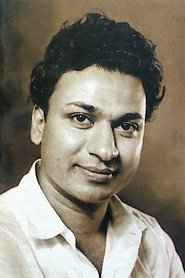
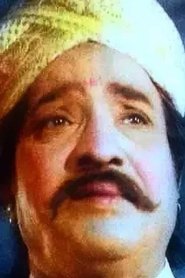
Dr. Rajkumar, Jayanthi, Chandrakala +1 more
LANGUAGE
KN
STATUS
Released
VIDEO QUALITY
HD


Reviews
V
VashistaBhat999
Oct 16, 2026
10/10
**Punarjanma: A Masterpiece where Humanity Triumphs Over Superstition**
**Movie Review/Analysis:**
**Cast:**
-Dr. Rajkumar as Chenna
-Jayanthi as Leela
-Chandrakala as Naagi
-T.N...
**Punarjanma: A Masterpiece where Humanity Triumphs Over Superstition**
**Movie Review/Analysis:**
**Cast:**
-Dr. Rajkumar as Chenna
-Jayanthi as Leela
-Chandrakala as Naagi
-T.N. Balakrishna as Poojarappa
-Ranga as Honna
-Sathya as Chikka Poojarappa
-Jayashree as Chenna and Honna’s mother
**Crew:**
Director: Peketi Shivaram
Based on the novel Saakumagalu by Ta. Ra. Su.
Production (Banner): Sri Bhagavathi Art Productions
The duration of Punarjanma is 140 minutes
**General Information:**
Kannada Film Industry (KFI) began in 1934, and since then there have been numerous classics, and among those numerous classics, Punarjanma is also one among them. For me, Dr. Rajkumar is the greatest actor of all-time in the history of cinema. I watched Punarjanma for the first time in 2014 in Sri Nakoda 3 in 1 DVD as a 15 year old teenager, and then I rewatched it many times. Ta. Ra. Su wrote the screenplay and the film was directed by Peketi Shivaram. Punarjanma released on 2nd June 1969.
**The Plot:**
Chenna (Dr. Rajkumar) and Honna (Ranga) are brothers in a small village live with their Mother (Jayashree). Chenna is married to Leela (Jayanthi) and works with his brother on their land as a farmer. Honna is still childish and not mentally mature (innocent). Poojarappa (T.N. Balakrishna) is the chief priest for the temple in the village and Chikka Poojarappa is his accomplice. Naagi (Chandrakala) is an orphan and is regarded as someone who brings bad luck to people.
At one point Poojarappa is beating up Naagi, since she showed up at his door in the morning and is rescued by Chenna, which does not sit well with Poojarappa. Chikka Poojarappa puts ideas into Poojarappa's head regarding Naagi. Heeding this, Poojarappa goes to Naagi's house and forces himself upon her, but Naagi pushes him away and he runs. Chenna and Leela who are coming to meet Naagi, see Poojarappa running away from Naagi's house. They ask Naagi to move into their house for safety.
After a while Naagi has become one of the member of Chenna's family and is happy. Leela goes her parents house for few days, and gets stuck due to her mother's illness. Meanwhile, Poojarappa works Honna and puts ideas about Naagi into him. Honna forces upon himself on Naagi and has his way with her. Chenna hearing the noises runs down and sees what happened and chases Honna away. Naagi runs away to her house and now has lost her voice. Chenna wants to get Honna back and get him married to Naagi, but the mother intervenes and says it won't sit well with the village and that it's a matter of status for the family. She also goes to Naagi and asks her not to tell anyone about what happened. Chenna is not happy but since Naagi does not say anything, he is helpless.
Leela comes back and finds everything is odd at home. Mother tells Leela this is all because of Naagi. Leela goes to Naagi and blames her for everything. She then goes to the temple, where she finds Honna hiding. When asked what happened, Poojarappa says that Chenna raped Naagi and that Honna saw everything and is too afraid to go home, to which Honna agrees. Leela cannot take this news and she leaves town and later it is found that she is dead. Poojarappa instigates villagers against Naagi. But when they try to hit her, Chenna protects her. Poojarappa even spreads rumors that Chenna and Naagi have an affair. Chenna is unable to say anything due to his promise to his mother.
Naagi becomes pregnant and Poojarappa instigates villagers against Naagi. But when they try to hit her, Chenna protects her. Poojarappa even spreads rumors that Chenna and Naagi have an affair which led to her pregnancy. Chenna is unable to say anything due to his promise to his mother. Poojarappa had sent Honna to another place where he is working, and the constant guilt of deceiving his sister-in-law haunts him. When Naagi gives birth to the baby, she dies. Honna comes out and pleads, saying he would marry her and miraculously she becomes alive. Honna then comes and accepts the fault in front of the villagers and says Poojarappa instigated him. The villagers want to beat Poojarappa, but Chenna stops them and says that punishing is God’s job. But villagers take him away. The realization of Honna, and the villagers in accepting Naagi is termed as Punarjanma by Chenna.
**Story Analysis:**
I loved the story of Punarjanma which in my opinion is exceptionally strong, perfect, flawless, and it has a profound depth because it is built as a character-driven story centered on Chenna. However, there is an interesting distinction: while Chenna is the central protagonist and moral force, Poojarappa is the principal antagonist whose actions generate much of the conflict.
Chenna is not merely a protagonist who reacts to everything happening around him. His decisions repeatedly determine the direction of the narrative. First, Chenna rescues Naagi. When Poojarappa beats Naagi because of his superstitious beliefs, Chenna intervenes. This establishes Chenna's character as someone who values humanity over superstition.
Importantly, his intervention also creates an antagonistic relationship with Poojarappa. Second, Chenna provides shelter to Naagi. When Chenna and Leela discover Poojarappa fleeing Naagi's house after attempting to assault her, they invite Naagi into their household. This decision becomes one of the most important turning points in the story. Without Chenna's decision, Naagi would not have become part of his family, and the subsequent conflict involving Honna would not have developed in the same manner. Third, Chenna attempts to ensure justice for Naagi. After Honna sexually assaults Naagi, Chenna immediately intervenes and drives his brother away. He subsequently wants Honna to marry Naagi and accept responsibility. However, his mother intervenes because she is concerned about the family's social standing. Here, Chenna faces a conflict between his personal principles and his obligations towards his mother. Fourth, Chenna protects Naagi despite the consequences. Poojarappa manipulates Honna and Leela, ultimately leading to the destruction of Chenna's marriage. Despite losing Leela and suffering public humiliation, Chenna continues protecting Naagi. His actions demonstrate consistency in his moral convictions. Fifth, Chenna prevents the villagers from attacking Poojarappa.
Even after Poojarappa's wrongdoing is exposed, Chenna refuses to encourage revenge. This is particularly significant because the man who caused immense suffering to his family is now at the mercy of the villagers. Chenna's decision completes his moral journey: he begins the story by protecting an innocent person from violence and ends it by preventing violence against a guilty person. That is a powerful structural parallel.
Poojarappa is responsible for several major developments. He attempts to assault Naagi, manipulates Honna, falsely implicates Chenna and instigates the villagers. Therefore, Poojarappa is the primary driver of the antagonistic action, while Chenna is the primary driver of the story's ethical and emotional direction. These two characters operate in direct opposition. Poojarappa exploits superstition, fear and social reputation, whereas Chenna challenges these attitudes through compassion and personal responsibility.
If we consider the cause-and-effect progression:
i). Chenna protects Naagi
ii). Poojarappa manipulates Honna
iii). Chenna seeks justice, but his mother intervenes
iv). Poojarappa exploits silence
v). Honna confesses and the truth emerges
Here we can clearly notice that each development follows from something established earlier. The mother's concern about family status creates silence. That silence allows Poojarappa's lies to gain credibility. Those lies contribute to Leela's tragedy and the villagers' hostility.
One particularly interesting aspect is that Chenna's goodness does not automatically protect him from suffering. He does what he believes is right, yet he loses his wife, faces accusations of sexual misconduct and becomes a target of social hostility. His commitment to his mother's wishes also places him in an extraordinarily difficult position. The central dramatic question becomes:
How long can a righteous individual endure injustice while remaining faithful to his principles?
Chenna's predicament is therefore not simply about proving his innocence. It is also about navigating the conflict between family loyalty, social expectations, truth and justice. This gives the character considerable dramatic depth.
The ending identifies rebirth not merely with Naagi's miraculous revival but also with the transformation of Honna and the villagers. Honna experiences a moral awakening by admitting his wrongdoing and accepting responsibility.
The villagers experience a social awakening by recognizing their injustice towards Naagi. Chenna, meanwhile, represents the moral ideal that makes this transformation meaningful.
There is an important distinction here: Chenna does not require a moral rebirth because his fundamental principles remain consistent throughout the story. Instead, he becomes the catalyst for the moral rebirth of others.
i). Chenna: The moral driving force
ii). Poojarappa: The antagonistic driving force
iii). Naagi: The emotional and thematic center
The story is structured around their interconnected actions and experiences, with Honna's transformation ultimately bringing the central conflict towards resolution.
In its 140 minute duration, the story is fast-paced because the script contains numerous consequential incidents, with each one generating new complications rather than existing independently.
For all the reasons mentioned above, the story of Punarjanma is timeless and has aged exceptionally well for me.
My Rating for Story: ⭐⭐⭐⭐⭐ —5/5
**Screenplay Analysis:**
I loved the screenplay of Punarjanma that was written by Ta. Ra. Su which in my opinion is flawless, gripping, tight, and strong and profound cause-and-effect progression.
The screenplay demonstrates a remarkably strong cause-and-effect progression, with each major development emerging naturally from the actions, decisions, motivations and conflicts of the characters.
One of the greatest strengths of the screenplay is its character-driven progression. Chenna is established as the principal protagonist, whose compassion and commitment to justice repeatedly influence the direction of the story. His intervention when Poojarappa mistreats Naagi establishes the central conflict. His subsequent decision to shelter Naagi creates the circumstances through which the narrative develops further.
The screenplay also establishes Poojarappa as an effective antagonistic force. His resentment towards Chenna, his exploitation of Honna's immaturity and his manipulation of the villagers create a continuous chain of conflicts. Importantly, his actions do not function as isolated episodes; they have consequences that directly influence subsequent developments.
Another particularly strong aspect is the screenplay's handling of Chenna's moral predicament. Following Naagi's assault, Chenna wants Honna to accept responsibility, but his mother's concern for the family's reputation prevents the truth from emerging. This decision creates the conditions for Poojarappa to manipulate Leela and turn the villagers against Chenna and Naagi. Thus, a single decision generates several interconnected consequences, demonstrating the strength of the screenplay's construction.
The screenplay also maintains narrative momentum through successive developments: Naagi's rescue, her integration into Chenna's household, Honna's wrongdoing, the concealment of the truth, Leela's tragic departure, the accusations against Chenna, Naagi's pregnancy and Honna's eventual confession. These developments contribute to the central narrative rather than functioning as unrelated incidents.
The climax brings the screenplay's thematic concerns together. Honna's confession exposes Poojarappa's manipulation, while Chenna's refusal to endorse revenge reinforces the principles he has upheld throughout the narrative.
What I find particularly effective in the structure is that Chenna remains morally consistent while the people around him undergo transformation. The screenplay derives its dramatic tension not from changing Chenna's fundamental character but from repeatedly testing his principles under increasingly difficult circumstances.
My Rating for Screenplay: ⭐⭐⭐⭐⭐ —5/5
**Acting Analysis:**
Dr. Rajkumar, whom I rate as the greatest actor of all-time in the history of cinema, has played every kinds of roles with a flawless perfection that cannot be matched, delivers an extraordinary flawless performance as Chenna. Dr. Rajkumar has not acted as Chenna, rather he became Chenna himself. I cannot imagine any other actor other than Dr. Rajkumar as Chenna.
What makes Chenna’s characterization particularly extraordinary is the emotional and moral complexity of Chenna. He is a man who consistently stands for justice and humanity, even when doing so brings immense suffering into his own life. His determination to protect Naagi, his anguish over Honna's wrongdoing, his helplessness when his mother prevents him from revealing the truth, and his suffering following Leela's tragic death provide considerable emotional depth to the character, something that could only be done by Dr. Rajkumar because the character requires compassion, righteousness, emotional strength, moral convictions and unwavering commitment to justice, which was portrayed to perfection by Dr. Rajkumar.
Ranga delivers an exceptional performance as Honna, a character whose innocence and emotional immaturity make him vulnerable to manipulation. Honna's transformation from an irresponsible individual who commits a grave wrongdoing into someone overwhelmed by guilt and ultimately willing to acknowledge his actions is an important aspect of the narrative. Ranga's portrayal contributes significantly to the character's complexity and eventual moral realization.
T. N. Balakrishna is equally exceptional as Poojarappa, the principal antagonist. His characterization represents the exploitation of religious authority, superstition and social prejudice for personal interests. Poojarappa's manipulative behaviour, hypocrisy and calculated attempts to destroy Chenna's reputation make him a formidable antagonistic presence. Balakrishna's performance effectively complements Dr. Rajkumar's portrayal, strengthening the central conflict between righteousness and moral corruption.
Chandrakala delivers an emotionally significant performance as Naagi, whose suffering forms the emotional centre of the narrative. Naagi undergoes humiliation, exploitation, betrayal and social condemnation despite being innocent of the accusations directed against her. Her loss of speech following the assault makes the character particularly demanding, as her suffering must subsequently be communicated without dialogue. Chandrakala's portrayal contributes substantially to the emotional intensity of the film.
Jayanthi, as Leela, delivers an exceptional performance as a woman whose trust in her husband is destroyed by deliberate deception. Her character's transformation from a loving wife into someone overwhelmed by suspicion and emotional devastation is crucial to the tragic progression of the narrative. Jayashree, as Chenna's mother, is equally effective in portraying a woman whose concern for family reputation leads her to suppress the truth, unintentionally contributing to the suffering of those around her.
The supporting performances, including the actor portraying Chikka Poojarappa, further strengthen the narrative. Each character has a distinct dramatic purpose, and the ensemble contributes to the film's character-driven storytelling. The acting performances are timeless and have aged exceptionally well.
My Rating for Acting: ⭐⭐⭐⭐⭐ —5/5
**Direction Analysis:**
The direction of Peketi Shivaram is excellent in my opinion. His handling of the film's character-driven narrative, emotionally powerful conflicts and profound social themes demonstrates remarkable directorial command. The film's 140-minute duration is utilized effectively, with the narrative maintaining a fast pace and sustaining interest throughout. The direction ensures that the various developments remain interconnected, allowing the story to progress through a strong and convincing chain of cause and effect.
One of the greatest strengths of Peketi Shivaram's direction is his handling of Chenna's characterization. Chenna is established as a compassionate, righteous and morally courageous individual whose principles remain consistent even when he faces immense personal suffering. The director ensures that Chenna's actions, whether protecting Naagi, confronting Honna, respecting his mother's wishes or preventing the villagers from attacking Poojarappa, reflect his deeply rooted convictions. Dr. Rajkumar's extraordinary performance as Chenna is complemented by the director's effective presentation of the character's emotional and moral complexities.
Peketi Shivaram also handles the antagonistic characterization of Poojarappa effectively. His manipulation of Honna, exploitation of superstition and deliberate attempts to turn the villagers against Chenna and Naagi are integrated into the narrative in a manner that continuously intensifies the central conflict. The contrast between Chenna's righteousness and Poojarappa's hypocrisy forms an important dramatic foundation, and the director maintains this opposition throughout the film.
Another significant achievement is the treatment of Naagi's character and the social injustices she experiences. The narrative addresses superstition, sexual violence, victim-blaming, social discrimination and the destructive consequences of prioritizing family reputation over justice. Rather than allowing these themes to exist independently of the story, Peketi Shivaram incorporates them into the characters' actions and their consequences. Chenna's mother's decision to conceal the truth, Leela's misplaced suspicion and the villagers' willingness to believe Poojarappa demonstrate how social prejudices can destroy innocent lives.
The director's handling of the climax is particularly significant. Honna's eventual confession, the exposure of Poojarappa's wrongdoing and the villagers' realization bring the central conflicts towards their resolution. Chenna's refusal to encourage revenge reinforces his moral consistency, while the transformation of Honna and the villagers gives the title Punarjanma its profound thematic meaning. The concept of rebirth is therefore presented not merely through Naagi's miraculous revival but also through the moral awakening of individuals and society.
The song placements are also excellent in my opinion.
My Rating for Direction: ⭐⭐⭐⭐⭐ —5/5
**Music Analysis:**
The music of Punarjanma by Dulal Sen is extraordinary in my opinion. The six songs have come together exceptionally well in its lyrics, melody and musical composition.
The background score is also exceptional.
My Rating for Music: ⭐⭐⭐⭐⭐ —5/5
**Dialogues Analysis:**
The dialogues of Punarjanma are excellent in my opinion. They emerge naturally from characters’s circumstances. The dialogues communicate film’s themes very well.
My Rating for Dialogues: ⭐⭐⭐⭐⭐ —5/5
**Conclusion:**
For me, Punarjanma is a timeless masterpiece that stands as a magnificent achievement in its craft. The film maintains fast-paced, gripping and tightly-constructed narrative, without a single moment of boredom. Dr. Rajkumar’s flawless performance as Chenna ensures that film remains timeless and has aged magnificently for me, even though close to six decades passed after its release.
Rating Calculation: 5+5+5+5+5+5/6
Rating Calculation: 30/6=5
My Final Rating: ⭐⭐⭐⭐⭐ – 5/5
My Final Verdict: Masterpiece
By: Vashista Bhat
Read more
**Movie Review/Analysis:**
**Cast:**
-Dr. Rajkumar as Chenna
-Jayanthi as Leela
-Chandrakala as Naagi
-T.N. Balakrishna as Poojarappa
-Ranga as Honna
-Sathya as Chikka Poojarappa
-Jayashree as Chenna and Honna’s mother
**Crew:**
Director: Peketi Shivaram
Based on the novel Saakumagalu by Ta. Ra. Su.
Production (Banner): Sri Bhagavathi Art Productions
The duration of Punarjanma is 140 minutes
**General Information:**
Kannada Film Industry (KFI) began in 1934, and since then there have been numerous classics, and among those numerous classics, Punarjanma is also one among them. For me, Dr. Rajkumar is the greatest actor of all-time in the history of cinema. I watched Punarjanma for the first time in 2014 in Sri Nakoda 3 in 1 DVD as a 15 year old teenager, and then I rewatched it many times. Ta. Ra. Su wrote the screenplay and the film was directed by Peketi Shivaram. Punarjanma released on 2nd June 1969.
**The Plot:**
Chenna (Dr. Rajkumar) and Honna (Ranga) are brothers in a small village live with their Mother (Jayashree). Chenna is married to Leela (Jayanthi) and works with his brother on their land as a farmer. Honna is still childish and not mentally mature (innocent). Poojarappa (T.N. Balakrishna) is the chief priest for the temple in the village and Chikka Poojarappa is his accomplice. Naagi (Chandrakala) is an orphan and is regarded as someone who brings bad luck to people.
At one point Poojarappa is beating up Naagi, since she showed up at his door in the morning and is rescued by Chenna, which does not sit well with Poojarappa. Chikka Poojarappa puts ideas into Poojarappa's head regarding Naagi. Heeding this, Poojarappa goes to Naagi's house and forces himself upon her, but Naagi pushes him away and he runs. Chenna and Leela who are coming to meet Naagi, see Poojarappa running away from Naagi's house. They ask Naagi to move into their house for safety.
After a while Naagi has become one of the member of Chenna's family and is happy. Leela goes her parents house for few days, and gets stuck due to her mother's illness. Meanwhile, Poojarappa works Honna and puts ideas about Naagi into him. Honna forces upon himself on Naagi and has his way with her. Chenna hearing the noises runs down and sees what happened and chases Honna away. Naagi runs away to her house and now has lost her voice. Chenna wants to get Honna back and get him married to Naagi, but the mother intervenes and says it won't sit well with the village and that it's a matter of status for the family. She also goes to Naagi and asks her not to tell anyone about what happened. Chenna is not happy but since Naagi does not say anything, he is helpless.
Leela comes back and finds everything is odd at home. Mother tells Leela this is all because of Naagi. Leela goes to Naagi and blames her for everything. She then goes to the temple, where she finds Honna hiding. When asked what happened, Poojarappa says that Chenna raped Naagi and that Honna saw everything and is too afraid to go home, to which Honna agrees. Leela cannot take this news and she leaves town and later it is found that she is dead. Poojarappa instigates villagers against Naagi. But when they try to hit her, Chenna protects her. Poojarappa even spreads rumors that Chenna and Naagi have an affair. Chenna is unable to say anything due to his promise to his mother.
Naagi becomes pregnant and Poojarappa instigates villagers against Naagi. But when they try to hit her, Chenna protects her. Poojarappa even spreads rumors that Chenna and Naagi have an affair which led to her pregnancy. Chenna is unable to say anything due to his promise to his mother. Poojarappa had sent Honna to another place where he is working, and the constant guilt of deceiving his sister-in-law haunts him. When Naagi gives birth to the baby, she dies. Honna comes out and pleads, saying he would marry her and miraculously she becomes alive. Honna then comes and accepts the fault in front of the villagers and says Poojarappa instigated him. The villagers want to beat Poojarappa, but Chenna stops them and says that punishing is God’s job. But villagers take him away. The realization of Honna, and the villagers in accepting Naagi is termed as Punarjanma by Chenna.
**Story Analysis:**
I loved the story of Punarjanma which in my opinion is exceptionally strong, perfect, flawless, and it has a profound depth because it is built as a character-driven story centered on Chenna. However, there is an interesting distinction: while Chenna is the central protagonist and moral force, Poojarappa is the principal antagonist whose actions generate much of the conflict.
Chenna is not merely a protagonist who reacts to everything happening around him. His decisions repeatedly determine the direction of the narrative. First, Chenna rescues Naagi. When Poojarappa beats Naagi because of his superstitious beliefs, Chenna intervenes. This establishes Chenna's character as someone who values humanity over superstition.
Importantly, his intervention also creates an antagonistic relationship with Poojarappa. Second, Chenna provides shelter to Naagi. When Chenna and Leela discover Poojarappa fleeing Naagi's house after attempting to assault her, they invite Naagi into their household. This decision becomes one of the most important turning points in the story. Without Chenna's decision, Naagi would not have become part of his family, and the subsequent conflict involving Honna would not have developed in the same manner. Third, Chenna attempts to ensure justice for Naagi. After Honna sexually assaults Naagi, Chenna immediately intervenes and drives his brother away. He subsequently wants Honna to marry Naagi and accept responsibility. However, his mother intervenes because she is concerned about the family's social standing. Here, Chenna faces a conflict between his personal principles and his obligations towards his mother. Fourth, Chenna protects Naagi despite the consequences. Poojarappa manipulates Honna and Leela, ultimately leading to the destruction of Chenna's marriage. Despite losing Leela and suffering public humiliation, Chenna continues protecting Naagi. His actions demonstrate consistency in his moral convictions. Fifth, Chenna prevents the villagers from attacking Poojarappa.
Even after Poojarappa's wrongdoing is exposed, Chenna refuses to encourage revenge. This is particularly significant because the man who caused immense suffering to his family is now at the mercy of the villagers. Chenna's decision completes his moral journey: he begins the story by protecting an innocent person from violence and ends it by preventing violence against a guilty person. That is a powerful structural parallel.
Poojarappa is responsible for several major developments. He attempts to assault Naagi, manipulates Honna, falsely implicates Chenna and instigates the villagers. Therefore, Poojarappa is the primary driver of the antagonistic action, while Chenna is the primary driver of the story's ethical and emotional direction. These two characters operate in direct opposition. Poojarappa exploits superstition, fear and social reputation, whereas Chenna challenges these attitudes through compassion and personal responsibility.
If we consider the cause-and-effect progression:
i). Chenna protects Naagi
ii). Poojarappa manipulates Honna
iii). Chenna seeks justice, but his mother intervenes
iv). Poojarappa exploits silence
v). Honna confesses and the truth emerges
Here we can clearly notice that each development follows from something established earlier. The mother's concern about family status creates silence. That silence allows Poojarappa's lies to gain credibility. Those lies contribute to Leela's tragedy and the villagers' hostility.
One particularly interesting aspect is that Chenna's goodness does not automatically protect him from suffering. He does what he believes is right, yet he loses his wife, faces accusations of sexual misconduct and becomes a target of social hostility. His commitment to his mother's wishes also places him in an extraordinarily difficult position. The central dramatic question becomes:
How long can a righteous individual endure injustice while remaining faithful to his principles?
Chenna's predicament is therefore not simply about proving his innocence. It is also about navigating the conflict between family loyalty, social expectations, truth and justice. This gives the character considerable dramatic depth.
The ending identifies rebirth not merely with Naagi's miraculous revival but also with the transformation of Honna and the villagers. Honna experiences a moral awakening by admitting his wrongdoing and accepting responsibility.
The villagers experience a social awakening by recognizing their injustice towards Naagi. Chenna, meanwhile, represents the moral ideal that makes this transformation meaningful.
There is an important distinction here: Chenna does not require a moral rebirth because his fundamental principles remain consistent throughout the story. Instead, he becomes the catalyst for the moral rebirth of others.
i). Chenna: The moral driving force
ii). Poojarappa: The antagonistic driving force
iii). Naagi: The emotional and thematic center
The story is structured around their interconnected actions and experiences, with Honna's transformation ultimately bringing the central conflict towards resolution.
In its 140 minute duration, the story is fast-paced because the script contains numerous consequential incidents, with each one generating new complications rather than existing independently.
For all the reasons mentioned above, the story of Punarjanma is timeless and has aged exceptionally well for me.
My Rating for Story: ⭐⭐⭐⭐⭐ —5/5
**Screenplay Analysis:**
I loved the screenplay of Punarjanma that was written by Ta. Ra. Su which in my opinion is flawless, gripping, tight, and strong and profound cause-and-effect progression.
The screenplay demonstrates a remarkably strong cause-and-effect progression, with each major development emerging naturally from the actions, decisions, motivations and conflicts of the characters.
One of the greatest strengths of the screenplay is its character-driven progression. Chenna is established as the principal protagonist, whose compassion and commitment to justice repeatedly influence the direction of the story. His intervention when Poojarappa mistreats Naagi establishes the central conflict. His subsequent decision to shelter Naagi creates the circumstances through which the narrative develops further.
The screenplay also establishes Poojarappa as an effective antagonistic force. His resentment towards Chenna, his exploitation of Honna's immaturity and his manipulation of the villagers create a continuous chain of conflicts. Importantly, his actions do not function as isolated episodes; they have consequences that directly influence subsequent developments.
Another particularly strong aspect is the screenplay's handling of Chenna's moral predicament. Following Naagi's assault, Chenna wants Honna to accept responsibility, but his mother's concern for the family's reputation prevents the truth from emerging. This decision creates the conditions for Poojarappa to manipulate Leela and turn the villagers against Chenna and Naagi. Thus, a single decision generates several interconnected consequences, demonstrating the strength of the screenplay's construction.
The screenplay also maintains narrative momentum through successive developments: Naagi's rescue, her integration into Chenna's household, Honna's wrongdoing, the concealment of the truth, Leela's tragic departure, the accusations against Chenna, Naagi's pregnancy and Honna's eventual confession. These developments contribute to the central narrative rather than functioning as unrelated incidents.
The climax brings the screenplay's thematic concerns together. Honna's confession exposes Poojarappa's manipulation, while Chenna's refusal to endorse revenge reinforces the principles he has upheld throughout the narrative.
What I find particularly effective in the structure is that Chenna remains morally consistent while the people around him undergo transformation. The screenplay derives its dramatic tension not from changing Chenna's fundamental character but from repeatedly testing his principles under increasingly difficult circumstances.
My Rating for Screenplay: ⭐⭐⭐⭐⭐ —5/5
**Acting Analysis:**
Dr. Rajkumar, whom I rate as the greatest actor of all-time in the history of cinema, has played every kinds of roles with a flawless perfection that cannot be matched, delivers an extraordinary flawless performance as Chenna. Dr. Rajkumar has not acted as Chenna, rather he became Chenna himself. I cannot imagine any other actor other than Dr. Rajkumar as Chenna.
What makes Chenna’s characterization particularly extraordinary is the emotional and moral complexity of Chenna. He is a man who consistently stands for justice and humanity, even when doing so brings immense suffering into his own life. His determination to protect Naagi, his anguish over Honna's wrongdoing, his helplessness when his mother prevents him from revealing the truth, and his suffering following Leela's tragic death provide considerable emotional depth to the character, something that could only be done by Dr. Rajkumar because the character requires compassion, righteousness, emotional strength, moral convictions and unwavering commitment to justice, which was portrayed to perfection by Dr. Rajkumar.
Ranga delivers an exceptional performance as Honna, a character whose innocence and emotional immaturity make him vulnerable to manipulation. Honna's transformation from an irresponsible individual who commits a grave wrongdoing into someone overwhelmed by guilt and ultimately willing to acknowledge his actions is an important aspect of the narrative. Ranga's portrayal contributes significantly to the character's complexity and eventual moral realization.
T. N. Balakrishna is equally exceptional as Poojarappa, the principal antagonist. His characterization represents the exploitation of religious authority, superstition and social prejudice for personal interests. Poojarappa's manipulative behaviour, hypocrisy and calculated attempts to destroy Chenna's reputation make him a formidable antagonistic presence. Balakrishna's performance effectively complements Dr. Rajkumar's portrayal, strengthening the central conflict between righteousness and moral corruption.
Chandrakala delivers an emotionally significant performance as Naagi, whose suffering forms the emotional centre of the narrative. Naagi undergoes humiliation, exploitation, betrayal and social condemnation despite being innocent of the accusations directed against her. Her loss of speech following the assault makes the character particularly demanding, as her suffering must subsequently be communicated without dialogue. Chandrakala's portrayal contributes substantially to the emotional intensity of the film.
Jayanthi, as Leela, delivers an exceptional performance as a woman whose trust in her husband is destroyed by deliberate deception. Her character's transformation from a loving wife into someone overwhelmed by suspicion and emotional devastation is crucial to the tragic progression of the narrative. Jayashree, as Chenna's mother, is equally effective in portraying a woman whose concern for family reputation leads her to suppress the truth, unintentionally contributing to the suffering of those around her.
The supporting performances, including the actor portraying Chikka Poojarappa, further strengthen the narrative. Each character has a distinct dramatic purpose, and the ensemble contributes to the film's character-driven storytelling. The acting performances are timeless and have aged exceptionally well.
My Rating for Acting: ⭐⭐⭐⭐⭐ —5/5
**Direction Analysis:**
The direction of Peketi Shivaram is excellent in my opinion. His handling of the film's character-driven narrative, emotionally powerful conflicts and profound social themes demonstrates remarkable directorial command. The film's 140-minute duration is utilized effectively, with the narrative maintaining a fast pace and sustaining interest throughout. The direction ensures that the various developments remain interconnected, allowing the story to progress through a strong and convincing chain of cause and effect.
One of the greatest strengths of Peketi Shivaram's direction is his handling of Chenna's characterization. Chenna is established as a compassionate, righteous and morally courageous individual whose principles remain consistent even when he faces immense personal suffering. The director ensures that Chenna's actions, whether protecting Naagi, confronting Honna, respecting his mother's wishes or preventing the villagers from attacking Poojarappa, reflect his deeply rooted convictions. Dr. Rajkumar's extraordinary performance as Chenna is complemented by the director's effective presentation of the character's emotional and moral complexities.
Peketi Shivaram also handles the antagonistic characterization of Poojarappa effectively. His manipulation of Honna, exploitation of superstition and deliberate attempts to turn the villagers against Chenna and Naagi are integrated into the narrative in a manner that continuously intensifies the central conflict. The contrast between Chenna's righteousness and Poojarappa's hypocrisy forms an important dramatic foundation, and the director maintains this opposition throughout the film.
Another significant achievement is the treatment of Naagi's character and the social injustices she experiences. The narrative addresses superstition, sexual violence, victim-blaming, social discrimination and the destructive consequences of prioritizing family reputation over justice. Rather than allowing these themes to exist independently of the story, Peketi Shivaram incorporates them into the characters' actions and their consequences. Chenna's mother's decision to conceal the truth, Leela's misplaced suspicion and the villagers' willingness to believe Poojarappa demonstrate how social prejudices can destroy innocent lives.
The director's handling of the climax is particularly significant. Honna's eventual confession, the exposure of Poojarappa's wrongdoing and the villagers' realization bring the central conflicts towards their resolution. Chenna's refusal to encourage revenge reinforces his moral consistency, while the transformation of Honna and the villagers gives the title Punarjanma its profound thematic meaning. The concept of rebirth is therefore presented not merely through Naagi's miraculous revival but also through the moral awakening of individuals and society.
The song placements are also excellent in my opinion.
My Rating for Direction: ⭐⭐⭐⭐⭐ —5/5
**Music Analysis:**
The music of Punarjanma by Dulal Sen is extraordinary in my opinion. The six songs have come together exceptionally well in its lyrics, melody and musical composition.
The background score is also exceptional.
My Rating for Music: ⭐⭐⭐⭐⭐ —5/5
**Dialogues Analysis:**
The dialogues of Punarjanma are excellent in my opinion. They emerge naturally from characters’s circumstances. The dialogues communicate film’s themes very well.
My Rating for Dialogues: ⭐⭐⭐⭐⭐ —5/5
**Conclusion:**
For me, Punarjanma is a timeless masterpiece that stands as a magnificent achievement in its craft. The film maintains fast-paced, gripping and tightly-constructed narrative, without a single moment of boredom. Dr. Rajkumar’s flawless performance as Chenna ensures that film remains timeless and has aged magnificently for me, even though close to six decades passed after its release.
Rating Calculation: 5+5+5+5+5+5/6
Rating Calculation: 30/6=5
My Final Rating: ⭐⭐⭐⭐⭐ – 5/5
My Final Verdict: Masterpiece
By: Vashista Bhat